Discover how frost seeding uses Wisconsin’s winter freeze-thaw cycles to help establish native prairie plants, with guidance on seed selection, timing, site preparation, and ongoing stewardship.
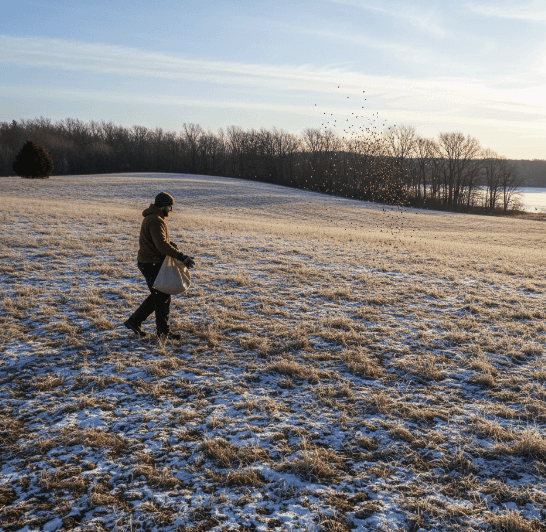
Wisconsin's landscape, once dominated by vast prairies teeming with diverse native flora, has largely been converted to agriculture and development. However, a growing movement seeks to restore these vital ecosystems, recognizing their benefits for biodiversity, soil health, and water quality. One increasingly popular and effective strategy for establishing native plant communities, particularly for those looking to expand existing prairies or introduce natives into disturbed areas, is frost seeding. This technique leverages the natural freeze-thaw cycles of late winter and early spring to create optimal conditions for seed germination, offering a hands-off approach that can yield impressive results.
What is Frost Seeding and How Does it Work?
Frost seeding is essentially broadcasting seeds onto the soil surface during late winter or early spring, typically from January through March in Wisconsin. The magic lies in the subsequent freeze-thaw cycles. As the ground freezes at night and thaws during the day, the soil surface undergoes a subtle but effective churning action. This movement helps to work the small native seeds into the soil, providing the necessary seed-to-soil contact for germination. Furthermore, the alternating freezing and thawing can help break down the hard outer coating of many native seeds, a process known as scarification, which aids in germination once temperatures rise.
This method mimics natural processes, as many native prairie plants are accustomed to their seeds being dispersed in the fall and then undergoing a period of cold stratification over winter before germinating in the spring. Frost seeding essentially fast-tracks this natural process, ensuring the seeds are in place and ready to sprout as soon as conditions are favorable.
Why Choose Frost Seeding for Native Seeds in Wisconsin?
The benefits of frost seeding native seeds in Wisconsin are numerous and compelling, making it an attractive option for landowners, conservationists, and gardeners alike:
Cost-Effective and Labor-Saving
Compared to traditional spring planting methods that often require extensive site preparation, tilling, and planting equipment, frost seeding is remarkably simple and requires minimal labor. Seeds are simply broadcast by hand or with a simple spreader, eliminating the need for heavy machinery and reducing fuel costs. This makes it an excellent choice for larger areas or for those with limited time and resources.
Mimics Natural Processes
As mentioned, frost seeding replicates the natural dispersal and stratification cycles of many native plants. This natural approach often leads to stronger, healthier stands of plants as they are allowed to establish under conditions they are evolutionarily adapted to.
Improved Seed-to-Soil Contact
The freeze-thaw action is crucial for working the seeds into the soil. Unlike simply broadcasting seeds on dry ground, which can lead to poor germination due to lack of contact, frost seeding ensures the seeds are nestled into the soil crevices, providing the vital connection needed for moisture absorption and root development.
Reduced Competition from Weeds
By getting native seeds into the ground early, before many common annual weeds begin to germinate, frost seeding gives the desired native plants a head start. While weed control will still be necessary, early establishment can help natives compete more effectively.
Enhanced Cold Stratification
Many native prairie seeds require a period of cold, moist conditions to break dormancy and germinate. Frost seeding provides this natural stratification, ensuring the seeds are primed for growth once spring arrives. This eliminates the need for artificial stratification methods, saving time and effort.
Optimal Timing for Wisconsin's Climate
Wisconsin's distinct seasons, with its cold winters and reliable spring thaws, are perfectly suited for frost seeding. The extended period of freezing and thawing provides ample opportunity for the seeds to be worked into the soil, maximizing the chances of successful establishment.
Ideal for Diverse Terrains
Frost seeding can be effective on a variety of terrains, from gently sloping hillsides to flatter areas. It's particularly useful for overseeding existing pastures or degraded areas where minimal disturbance is desired.
Key Considerations for Successful Frost Seeding in Wisconsin
While frost seeding offers many advantages, a few key factors contribute to its success:
Seed Selection
Choose high-quality, regionally sourced native seeds. Wisconsin-specific ecotypes are best adapted to the local climate and soil conditions. A diverse mix of grasses and forbs will create a more resilient and biodiverse ecosystem. Consider species known to establish well from frost seeding, such as Little Bluestem, Big Bluestem, Purple Coneflower, Black-Eyed Susan, and various native asters.
Site Preparation (Minimal but Important)
While extensive tilling is not required, some minimal site preparation can improve results. For areas with heavy thatch or dense existing vegetation, mowing or even a prescribed burn in the fall can expose more bare soil for seed contact. Reducing existing weed pressure is always beneficial, whether through targeted herbicide application in the fall or repeated low mowing.
Timing is Everything
The ideal window for frost seeding in Wisconsin is generally late January through March, when daytime temperatures hover above freezing and nighttime temperatures consistently drop below freezing. Monitor weather forecasts for a period of consistent freeze-thaw cycles.
Seed Distribution
Aim for even distribution of seeds. Hand broadcasting works well for smaller areas, while a hand-held or walk-behind spreader can be used for larger sites. Consider splitting your seed mix and broadcasting in two perpendicular passes to ensure more uniform coverage.
Post-Seeding Management
After frost seeding, ongoing management is essential for long-term success. This includes controlling aggressive weeds, especially in the first few years. Mowing at a higher height (6-8 inches) during the first growing season can help suppress annual weeds while allowing native seedlings to establish. Patience is key; native prairies take several years to fully mature.
The Benefits Beyond the Seedling
Restoring native prairies through methods like frost seeding offers a cascade of ecological benefits for Wisconsin:
Biodiversity Hotspots
Native prairies provide critical habitat and food sources for a vast array of wildlife, including pollinators like bees and butterflies, ground-nesting birds, and small mammals.
Pollinator Support
With declining pollinator populations, native prairies rich in wildflowers are vital for supporting these essential creatures that contribute to the reproduction of many food crops.
Improved Soil Health
The deep root systems of native prairie plants enhance soil structure, increase organic matter, and improve water infiltration, reducing erosion and runoff.
Water Quality Protection
By filtering runoff and reducing erosion, native prairies help protect Wisconsin's lakes, rivers, and streams from nutrient pollution and sedimentation.
Climate Resilience
Native plant communities are often more resilient to extreme weather events, such as droughts and heavy rainfall, making them an important tool in adapting to a changing climate.
Aesthetic Beauty
Beyond their ecological value, native prairies offer stunning seasonal displays of wildflowers and grasses, enhancing the beauty of the landscape.
Frost seeding represents a powerful and accessible tool for anyone looking to contribute to the restoration of Wisconsin's native prairies. By understanding the principles behind this natural process and following best practices, individuals can successfully establish thriving native plant communities, reaping ecological rewards and leaving a lasting legacy for future generations. So, as winter begins its slow retreat, consider embracing the chill and embracing the strategy of frost seeding to bring the vibrant beauty and ecological richness of native Wisconsin prairies back to life.

Front Yard Pollinator Planting & Flagstone Walkway Conversion
Prairie Revival Ecological converted foundation beds and front-yard turf into native pollinator plantings, replacing an impermeable concrete walk with a semi-permeable flagstone path.

Pollinator Habitat Installation — A Five-Year Backyard Turf Conversion Plan
A phased, herbicide-free backyard conversion by Prairie Revival Ecological, combining native pollinator plantings, meandering walking paths, a Schuette’s Oak, and site-specific turf removal.

Buckthorn Removal — Protecting Native Diversity on a Three-Acre Woodlot
Prairie Revival Ecological removed 10–15-foot common buckthorn from a three-acre residential woodlot while working around red osier dogwood, maple, and viburnum to protect existing native diversity.

Protecting Wisconsin's Natural Heritage: Why Invasive Species Management is Crucial
Explore how invasive species threaten Wisconsin’s biodiversity, forests, agriculture, and communities—and how prevention, early detection, and responsible restoration can protect our natural heritage.
Frost Seeding: A Winter Strategy for Thriving Native Prairies in Wisconsin
Discover how frost seeding uses Wisconsin’s winter freeze-thaw cycles to help establish native prairie plants, with guidance on seed selection, timing, site preparation, and ongoing stewardship.
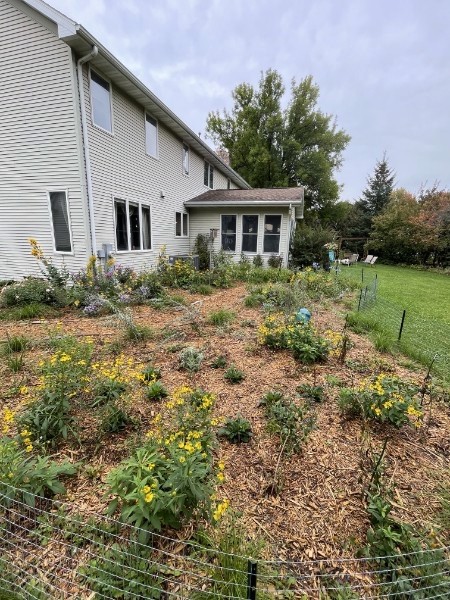
Why Fall Is the Ultimate Season to Plant Native Perennials, Grasses, and Sedges
Explore the benefits of fall planting for Wisconsin native perennials, grasses, and sedges, including root establishment, wildlife habitat, and practical planting tips.
GOOD QUESTIONS. CLEAR NEXT STEPS.
Before we start on your land.
Answers for Wisconsin landowners exploring native landscapes, habitat improvements, and ecological restoration.
Where do you work?
Prairie Revival Ecological is based in Appleton and serves the Fox Valley, including Neenah, Menasha, Grand Chute, surrounding communities, and projects across Wisconsin. Availability and project scope are discussed during planning.
What services do you offer?
Services include native landscaping, ecosystem restoration, wildlife habitat work, education and outreach, consultation and design, and prescribed fire planning and implementation where appropriate. A detailed service list can be shared separately.
Do you only work on residential properties?
No. Work can include residential gardens, woodlots, grasslands, and community or organizational landscapes. Project fit is evaluated case by case, and not every request is guaranteed to match scope.
How do I start and request a quote?
Share your address, approximate area, photos, goals, timing, and budget if known. You can call, email andy@prairierevival.co, or use the contact page to begin.
Do I need an exact plan before contacting you?
No. A rough description of what you see and what you want is enough to start. Planning conversations can help clarify options and next steps.
How much does a project cost?
Cost varies by size, site access, preparation needs, existing vegetation, plant materials, and management requirements. There are no fixed rates for all sites, so request a scope-specific quote.
Can projects be phased to match my budget?
Often, yes. Phased plans can prioritize key areas first and expand over time. Phasing options are discussed during scope and budgeting, and no financing terms are implied.
When is the best planting time in Wisconsin?
Timing depends on species, plant stock, site conditions, and weather patterns. Spring and fall can both be good windows, while warm-season grasses may require warmer establishment periods.
What are native plants, and are they maintenance-free?
Native plants are regionally appropriate species adapted to local ecosystems and they support the food web. They are not automatically maintenance-free and still need management, especially early on.
Will my yard look messy or too wild?
Native landscapes can be designed with clear edges, paths, layered heights, and intentional bloom sequencing. Visual style is tailored to your goals and site context.
Do I have to replace all my lawn?
No. Many projects keep lawn for recreation, access, or functional needs and convert only targeted areas. Conversions can be staged over time.
Is native landscaping maintenance-free?
No landscape is maintenance-free. Early phases usually require watering and weed control, then shift to seasonal management as plant communities establish.
How long does a prairie or habitat project take to establish?
Establishment often takes several growing seasons and varies by site conditions. Early growth is frequently below ground as roots develop, so quick visual maturity should not be assumed.
Do I need to water new plants?
Usually, yes during establishment. Watering needs depend on weather, soils, and plant type, and a practical care approach can be agreed for each project.
What about rabbits and deer browsing?
Browsing pressure is site-specific. Measures like temporary fencing or guards can help in some cases, but no single method works for every project.
Can we keep some existing plants?
Yes, desirable existing plants can be reviewed and incorporated where they fit the long-term goals and ecological function of the site.
Do you offer herbicide-free restoration?
Mechanical and solarization-based approaches can be used where suitable. For dense or persistent invasives, precision chemical methods may still be recommended; zero-herbicide outcomes are not guaranteed.
How is buckthorn controlled?
Control methods depend on identification, timing, access, and the native recovery plan. Repeated follow-up is usually needed for resprouts and seedlings; there is no instant permanent eradication.
How is brush and woody debris handled?
Disposal and reuse are handled site by site based on safety, feasibility, and project goals. Material may be repurposed where appropriate, but methods vary by project.
Can rain gardens solve drainage problems?
Rain gardens can help with runoff management when properly sited and designed, but outcomes depend on soils and overflow conditions. Some sites may require engineering or permits, and flood prevention is never guaranteed.
Is prescribed fire safe and always available?
Prescribed fire depends on site suitability, fuels, weather, permissions, and trained personnel. Not all sites qualify, and exact burn dates cannot be guaranteed.
Will wildlife definitely return?
Projects can improve food, cover, and nesting opportunities, but wildlife use depends on broader landscape context. Specific species presence is not guaranteed.
Do I need permits or utility locates?
Requirements vary by activity and location, including local rules, shoreline or wetland considerations, burn permissions, and utility locates. These factors are reviewed before work begins.
What ongoing help is available after installation?
Ongoing support can include maintenance, education, phased implementation, and follow-up visits depending on agreed scope. Continued service is discussed, not automatically included.