Explore the benefits of fall planting for Wisconsin native perennials, grasses, and sedges, including root establishment, wildlife habitat, and practical planting tips.
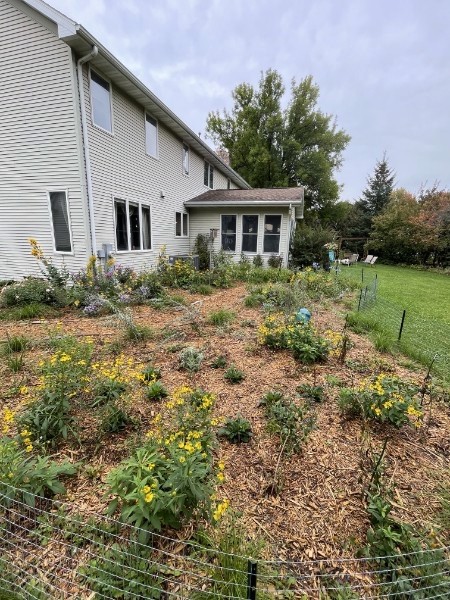
When autumn arrives, most gardeners begin wrapping up their outdoor chores like raking leaves, putting tools away, and putting the garden to bed for winter. Spring has traditionally held the crown as the ultimate planting season, fueled by nursery marketing and sunny spring fever. However, ecological restorationists, botanists, and seasoned horticulturists know a secret: fall is actually the best time of year to plant native perennials, grasses, and sedges.
By leveraging natural seasonal cycles, soil biology, and plant physiology, planting in the fall sets native plants up for unprecedented success, resilience, and growth. Here is a look at the science behind fall planting and why native flora, including structural grasses and often-overlooked sedges, should be at the top of your autumn planting list.
Why Fall Root Development Matters
To understand why fall planting works so well, we have to look below the surface. In spring, air temperatures warm up faster than soil temperatures. This signals plants to throw most of their energy into above-ground biomass pushing out leaves, stems, and blossoms. While beautiful, this leaf-first growth creates a structural imbalance: the plant demands massive amounts of water and nutrients before its root system is established enough to supply them.
In contrast, autumn flips this dynamic on its head. During early to mid-fall:
Warm Soils, Cool Air: Air temperatures begin to drop, reducing transpiration (water loss through leaves), while the soil retains the heat absorbed throughout the summer.
Energy Redirection: Without the demand to produce blooms or leaves, plants allocate virtually all their photosynthesized energy toward root development.
Microbial Synergies: Warm, moist fall soil fosters active mycorrhizal fungi networks. These beneficial fungi partner with native root systems, enhancing their ability to absorb phosphorus and water long into late autumn.
Roots will continue to grow as long as soil temperatures remain above approximately 45°F (7°C), long after the first frost halts top growth. When spring finally arrives, fall-planted perennials already possess an extensive, well-anchored root system ready to absorb moisture and fuel explosive spring growth.
Reduced Establishment Stress and Climate Resilience
Summer heatwaves and droughts are becoming increasingly severe and unpredictable. A plant installed in May faces the immediate gauntlet of scorching July sun and drying winds, requiring constant human intervention and heavy watering to survive.
Fall-planted natives avoid this stress entirely. Cooler ambient temperatures dramatically slow moisture evaporation from both soil and foliage. Furthermore, autumn typically brings steady, natural rainfall.
By the time the thermal stress of the following summer hits, fall-planted perennials have established deep root networks capable of reaching groundwater deep in the soil column. This makes them significantly more drought-resistant and climate-resilient in their very first full season compared to their spring-planted counterparts.
The Power of Native Perennials, Grasses, and Sedges
While autumn planting benefits many landscape species, native perennials, grasses, and sedges derive unique ecological and physiological boosts from fall installation.
Native Flowering Perennials
Native flowering perennials (forbs)—such as Coneflowers (Echinacea), Milkweeds (Asclepias), Black-Eyed Susans (Rudbeckia), and Goldenrods (Solidago)—are adapted to local climates and soils.
Stratification Needs: Many native seeds and young root systems benefit from a period of cold, moist winter conditions (known as cold stratification). Fall planting mimics this natural cycle seamlessly.
Biodiversity Support: Native perennials form the foundation of local ecosystems. Establishing them early in spring ensures that emerging specialized pollinators, native bees, and caterpillars have immediate access to vital nectar, pollen, and host foliage.
Native Grasses
Native grasses like Little Bluestem (Schizachyrium scoparium), Prairie Dropseed (Sporobolus heterolepis), and Switchgrass (Panicum virgatum) add crucial structural integrity, movement, and winter interest to landscapes.
Massive Root Depth: Native warm-season grasses are famous for root systems that can extend 6 to 15 feet underground. Planted in fall, their root initials get a jump-start on penetrating deep into the soil profile.
Erosion & Soil Structure: These deep systems break up compacted soils, increase organic matter, and retain stormwater runoff, preventing seasonal erosion.
Native Sedges
Sedges (genus Carex) look similar to grasses but belong to a completely different botanical family. They are cool-season growers, making fall their prime planting window.
Cool-Season Activity: Unlike warm-season grasses that go dormant early, sedges actively grow during the cooler temperatures of fall and early spring. Planting them in fall capitalizes directly on their natural growth surge.
Living Mulch: Sedges grow in tight clumps or spreading mats, functioning as an ecological “living mulch.” They cover bare soil, suppress weeds naturally, and eliminate the need for synthetic fertilizers or heavy dyed wood mulch.
Versatility: With hundreds of native species adapted to everything from dry shade to seasonal wetlands, sedges fill critical functional niches across diverse landscape conditions.
Winter Habitat
Leaving fall-planted natives intact over the winter, rather than cutting them down, creates an immediate refuge for local wildlife.
Seed Heads as Food: Spent seed heads of native grasses and perennials like Echinacea provide crucial overwintering fuel for songbirds like goldfinches.
Overwintering Insect Shelter: Over 70% of native bees nest in the ground or inside the hollow stems of native perennials and grasses. Fallen leaves tucked around newly planted sedges and forbs create insulated microclimates where beneficial insects, butterfly chrysalises, and queen bumblebees survive winter freezes.
Tips for Fall Planting Success
To maximize your fall planting efforts, keep these best practices in mind:
Water Thoroughly at Installation: Even though air temperatures are cool, deep initial watering is essential to settle soil particles around root balls and eliminate air pockets.
Apply Light Organic Mulch: Add a 2-inch layer of shredded leaves or natural wood mulch around new plantings to insulate soil temperatures and guard against winter soil heaving (where alternating freezes and thaws push shallow roots out of the ground).
Skip the Nitrogen Fertilizer: Avoid high-nitrogen fertilizers in fall. You want to encourage steady root development, not tender green top-growth that will be killed by early frosts.
Conclusion
Planting in the autumn aligns our gardening practices with the wisdom of natural ecosystems. In nature, plants shed seeds, drop leaves, and expand their root systems in the fall. By choosing native perennials, warm-season grasses, and cool-season sedges, you invest in a low-maintenance, drought-tolerant, and ecologically vibrant landscape that will hit the ground running come spring.
This autumn, skip the winter lull, grab a shovel, and plant for a resilient, beautiful future.

Front Yard Pollinator Planting & Flagstone Walkway Conversion
Prairie Revival Ecological converted foundation beds and front-yard turf into native pollinator plantings, replacing an impermeable concrete walk with a semi-permeable flagstone path.

Pollinator Habitat Installation — A Five-Year Backyard Turf Conversion Plan
A phased, herbicide-free backyard conversion by Prairie Revival Ecological, combining native pollinator plantings, meandering walking paths, a Schuette’s Oak, and site-specific turf removal.

Buckthorn Removal — Protecting Native Diversity on a Three-Acre Woodlot
Prairie Revival Ecological removed 10–15-foot common buckthorn from a three-acre residential woodlot while working around red osier dogwood, maple, and viburnum to protect existing native diversity.

Protecting Wisconsin's Natural Heritage: Why Invasive Species Management is Crucial
Explore how invasive species threaten Wisconsin’s biodiversity, forests, agriculture, and communities—and how prevention, early detection, and responsible restoration can protect our natural heritage.
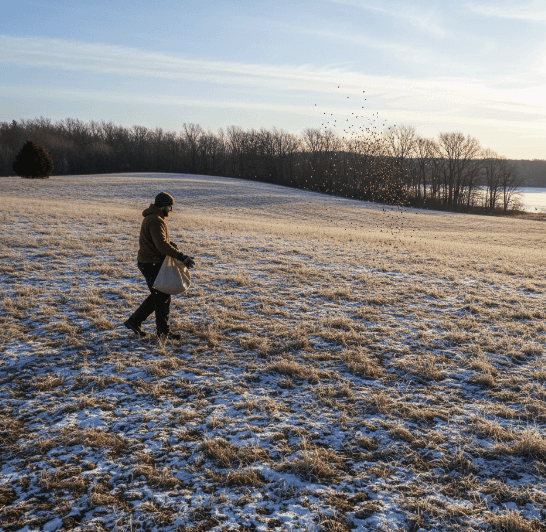
Frost Seeding: A Winter Strategy for Thriving Native Prairies in Wisconsin
Discover how frost seeding uses Wisconsin’s winter freeze-thaw cycles to help establish native prairie plants, with guidance on seed selection, timing, site preparation, and ongoing stewardship.
Why Fall Is the Ultimate Season to Plant Native Perennials, Grasses, and Sedges
Explore the benefits of fall planting for Wisconsin native perennials, grasses, and sedges, including root establishment, wildlife habitat, and practical planting tips.
GOOD QUESTIONS. CLEAR NEXT STEPS.
Before we start on your land.
Answers for Wisconsin landowners exploring native landscapes, habitat improvements, and ecological restoration.
Where do you work?
Prairie Revival Ecological is based in Appleton and serves the Fox Valley, including Neenah, Menasha, Grand Chute, surrounding communities, and projects across Wisconsin. Availability and project scope are discussed during planning.
What services do you offer?
Services include native landscaping, ecosystem restoration, wildlife habitat work, education and outreach, consultation and design, and prescribed fire planning and implementation where appropriate. A detailed service list can be shared separately.
Do you only work on residential properties?
No. Work can include residential gardens, woodlots, grasslands, and community or organizational landscapes. Project fit is evaluated case by case, and not every request is guaranteed to match scope.
How do I start and request a quote?
Share your address, approximate area, photos, goals, timing, and budget if known. You can call, email andy@prairierevival.co, or use the contact page to begin.
Do I need an exact plan before contacting you?
No. A rough description of what you see and what you want is enough to start. Planning conversations can help clarify options and next steps.
How much does a project cost?
Cost varies by size, site access, preparation needs, existing vegetation, plant materials, and management requirements. There are no fixed rates for all sites, so request a scope-specific quote.
Can projects be phased to match my budget?
Often, yes. Phased plans can prioritize key areas first and expand over time. Phasing options are discussed during scope and budgeting, and no financing terms are implied.
When is the best planting time in Wisconsin?
Timing depends on species, plant stock, site conditions, and weather patterns. Spring and fall can both be good windows, while warm-season grasses may require warmer establishment periods.
What are native plants, and are they maintenance-free?
Native plants are regionally appropriate species adapted to local ecosystems and they support the food web. They are not automatically maintenance-free and still need management, especially early on.
Will my yard look messy or too wild?
Native landscapes can be designed with clear edges, paths, layered heights, and intentional bloom sequencing. Visual style is tailored to your goals and site context.
Do I have to replace all my lawn?
No. Many projects keep lawn for recreation, access, or functional needs and convert only targeted areas. Conversions can be staged over time.
Is native landscaping maintenance-free?
No landscape is maintenance-free. Early phases usually require watering and weed control, then shift to seasonal management as plant communities establish.
How long does a prairie or habitat project take to establish?
Establishment often takes several growing seasons and varies by site conditions. Early growth is frequently below ground as roots develop, so quick visual maturity should not be assumed.
Do I need to water new plants?
Usually, yes during establishment. Watering needs depend on weather, soils, and plant type, and a practical care approach can be agreed for each project.
What about rabbits and deer browsing?
Browsing pressure is site-specific. Measures like temporary fencing or guards can help in some cases, but no single method works for every project.
Can we keep some existing plants?
Yes, desirable existing plants can be reviewed and incorporated where they fit the long-term goals and ecological function of the site.
Do you offer herbicide-free restoration?
Mechanical and solarization-based approaches can be used where suitable. For dense or persistent invasives, precision chemical methods may still be recommended; zero-herbicide outcomes are not guaranteed.
How is buckthorn controlled?
Control methods depend on identification, timing, access, and the native recovery plan. Repeated follow-up is usually needed for resprouts and seedlings; there is no instant permanent eradication.
How is brush and woody debris handled?
Disposal and reuse are handled site by site based on safety, feasibility, and project goals. Material may be repurposed where appropriate, but methods vary by project.
Can rain gardens solve drainage problems?
Rain gardens can help with runoff management when properly sited and designed, but outcomes depend on soils and overflow conditions. Some sites may require engineering or permits, and flood prevention is never guaranteed.
Is prescribed fire safe and always available?
Prescribed fire depends on site suitability, fuels, weather, permissions, and trained personnel. Not all sites qualify, and exact burn dates cannot be guaranteed.
Will wildlife definitely return?
Projects can improve food, cover, and nesting opportunities, but wildlife use depends on broader landscape context. Specific species presence is not guaranteed.
Do I need permits or utility locates?
Requirements vary by activity and location, including local rules, shoreline or wetland considerations, burn permissions, and utility locates. These factors are reviewed before work begins.
What ongoing help is available after installation?
Ongoing support can include maintenance, education, phased implementation, and follow-up visits depending on agreed scope. Continued service is discussed, not automatically included.