Prairie Revival Ecological converted foundation beds and front-yard turf into native pollinator plantings, replacing an impermeable concrete walk with a semi-permeable flagstone path.

Native pollinator habitat at the front of the home
This front-yard project combined a walkway replacement with a conversion of the house’s foundation landscaping and part of the lawn into native plantings. Prairie Revival Ecological designed the work to match the planting style the homeowner had already established elsewhere on the property, creating a more connected landscape rather than an isolated new garden.
The project brought native planting into a highly visible part of the yard while preserving a clear route to the front door and maintaining curb appeal during establishment.
Replacing concrete with a flagstone walkway
The existing impermeable concrete front walk was removed and replaced with a semi-permeable flagstone walkway leading to the front door. This changed both the character of the entrance and the surface material used for the path.
The walkway was part of the overall landscape conversion, not a separate decorative addition. A semi-permeable surface provides opportunities for water to pass through its joints, although actual infiltration depends on the construction, underlying soil, and site conditions. We do not describe the project as a measured stormwater improvement without supporting data.
Converting foundation beds and front-yard turf
The foundation landscaping around the house and a portion of the front yard were converted into native planting areas. The design followed the homeowner’s existing planting style, helping the new garden feel consistent with the rest of the property.
Turf grass was removed mechanically using a sod cutter. On this site, the cutting effectively removed the vegetation in the prepared area except for a handful of dandelions that survived. That detail illustrates why checking the prepared ground remains important even after effective mechanical turf removal.
Grading, mulch, and curb appeal
Dirt was added to maintain the grade of the yard, and the area was mulched to maintain curb appeal. These preparation steps provided the setting for the new native plants while keeping the front yard looking cared for as the planting developed.
The work balanced ecological planting goals with the everyday expectations of a residential entrance: a usable path, appropriate grades, and a tidy presentation near the house.
Installing native plants and timing the transplants
Native plants were then added to the prepared beds. Some plants were scheduled to wait until fall so they could be transplanted from elsewhere in the yard.
Reusing plants already on the property helped connect the conversion with the homeowner’s established landscape. The fall transplanting was part of the planned sequence; it should not be read as a claim that all later transplant work had already been completed at the stage described here.
Project highlights
Removed the impermeable concrete front walk.
Installed a semi-permeable flagstone route to the front door.
Converted foundation landscaping and part of the front lawn into native planting.
Matched the planting style already present elsewhere on the property.
Removed turf mechanically with a sod cutter, noting the few surviving dandelions.
Added soil to maintain yard grade and mulch to support curb appeal.
Installed native plants, with selected on-site transplants planned for fall.
Related native landscaping services
Explore Pollinator Gardens, Landscaping Conversion, Turf Replacement, Native Landscape & Stormwater Design, and Planting Maintenance, or browse our Urban Restoration category.
Bring native planting into your front yard
Based in Appleton, Prairie Revival Ecological serves the Fox Valley and Wisconsin statewide. If you want to convert foundation beds, reduce unused lawn, or coordinate native plantings with an existing garden, contact us about your property. Share your goals, existing plants, and access needs so we can discuss an appropriate scope. The supplied project images follow below.


Front Yard Pollinator Planting & Flagstone Walkway Conversion
Prairie Revival Ecological converted foundation beds and front-yard turf into native pollinator plantings, replacing an impermeable concrete walk with a semi-permeable flagstone path.

Pollinator Habitat Installation — A Five-Year Backyard Turf Conversion Plan
A phased, herbicide-free backyard conversion by Prairie Revival Ecological, combining native pollinator plantings, meandering walking paths, a Schuette’s Oak, and site-specific turf removal.

Buckthorn Removal — Protecting Native Diversity on a Three-Acre Woodlot
Prairie Revival Ecological removed 10–15-foot common buckthorn from a three-acre residential woodlot while working around red osier dogwood, maple, and viburnum to protect existing native diversity.

Protecting Wisconsin's Natural Heritage: Why Invasive Species Management is Crucial
Explore how invasive species threaten Wisconsin’s biodiversity, forests, agriculture, and communities—and how prevention, early detection, and responsible restoration can protect our natural heritage.
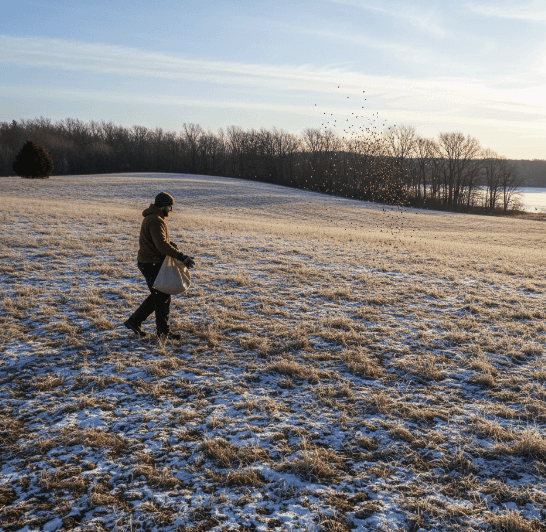
Frost Seeding: A Winter Strategy for Thriving Native Prairies in Wisconsin
Discover how frost seeding uses Wisconsin’s winter freeze-thaw cycles to help establish native prairie plants, with guidance on seed selection, timing, site preparation, and ongoing stewardship.
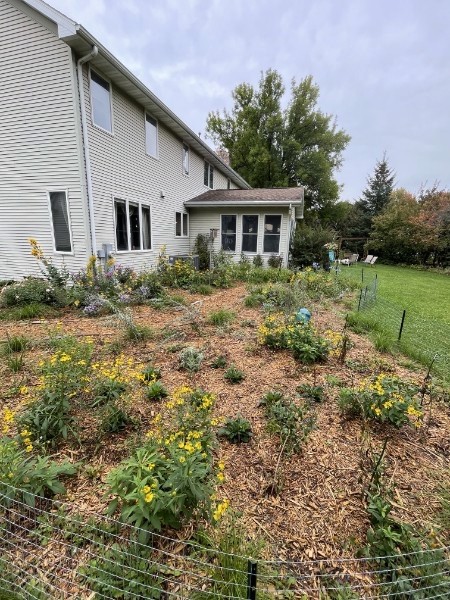
Why Fall Is the Ultimate Season to Plant Native Perennials, Grasses, and Sedges
Explore the benefits of fall planting for Wisconsin native perennials, grasses, and sedges, including root establishment, wildlife habitat, and practical planting tips.
GOOD QUESTIONS. CLEAR NEXT STEPS.
Before we start on your land.
Answers for Wisconsin landowners exploring native landscapes, habitat improvements, and ecological restoration.
Where do you work?
Prairie Revival Ecological is based in Appleton and serves the Fox Valley, including Neenah, Menasha, Grand Chute, surrounding communities, and projects across Wisconsin. Availability and project scope are discussed during planning.
What services do you offer?
Services include native landscaping, ecosystem restoration, wildlife habitat work, education and outreach, consultation and design, and prescribed fire planning and implementation where appropriate. A detailed service list can be shared separately.
Do you only work on residential properties?
No. Work can include residential gardens, woodlots, grasslands, and community or organizational landscapes. Project fit is evaluated case by case, and not every request is guaranteed to match scope.
How do I start and request a quote?
Share your address, approximate area, photos, goals, timing, and budget if known. You can call, email andy@prairierevival.co, or use the contact page to begin.
Do I need an exact plan before contacting you?
No. A rough description of what you see and what you want is enough to start. Planning conversations can help clarify options and next steps.
How much does a project cost?
Cost varies by size, site access, preparation needs, existing vegetation, plant materials, and management requirements. There are no fixed rates for all sites, so request a scope-specific quote.
Can projects be phased to match my budget?
Often, yes. Phased plans can prioritize key areas first and expand over time. Phasing options are discussed during scope and budgeting, and no financing terms are implied.
When is the best planting time in Wisconsin?
Timing depends on species, plant stock, site conditions, and weather patterns. Spring and fall can both be good windows, while warm-season grasses may require warmer establishment periods.
What are native plants, and are they maintenance-free?
Native plants are regionally appropriate species adapted to local ecosystems and they support the food web. They are not automatically maintenance-free and still need management, especially early on.
Will my yard look messy or too wild?
Native landscapes can be designed with clear edges, paths, layered heights, and intentional bloom sequencing. Visual style is tailored to your goals and site context.
Do I have to replace all my lawn?
No. Many projects keep lawn for recreation, access, or functional needs and convert only targeted areas. Conversions can be staged over time.
Is native landscaping maintenance-free?
No landscape is maintenance-free. Early phases usually require watering and weed control, then shift to seasonal management as plant communities establish.
How long does a prairie or habitat project take to establish?
Establishment often takes several growing seasons and varies by site conditions. Early growth is frequently below ground as roots develop, so quick visual maturity should not be assumed.
Do I need to water new plants?
Usually, yes during establishment. Watering needs depend on weather, soils, and plant type, and a practical care approach can be agreed for each project.
What about rabbits and deer browsing?
Browsing pressure is site-specific. Measures like temporary fencing or guards can help in some cases, but no single method works for every project.
Can we keep some existing plants?
Yes, desirable existing plants can be reviewed and incorporated where they fit the long-term goals and ecological function of the site.
Do you offer herbicide-free restoration?
Mechanical and solarization-based approaches can be used where suitable. For dense or persistent invasives, precision chemical methods may still be recommended; zero-herbicide outcomes are not guaranteed.
How is buckthorn controlled?
Control methods depend on identification, timing, access, and the native recovery plan. Repeated follow-up is usually needed for resprouts and seedlings; there is no instant permanent eradication.
How is brush and woody debris handled?
Disposal and reuse are handled site by site based on safety, feasibility, and project goals. Material may be repurposed where appropriate, but methods vary by project.
Can rain gardens solve drainage problems?
Rain gardens can help with runoff management when properly sited and designed, but outcomes depend on soils and overflow conditions. Some sites may require engineering or permits, and flood prevention is never guaranteed.
Is prescribed fire safe and always available?
Prescribed fire depends on site suitability, fuels, weather, permissions, and trained personnel. Not all sites qualify, and exact burn dates cannot be guaranteed.
Will wildlife definitely return?
Projects can improve food, cover, and nesting opportunities, but wildlife use depends on broader landscape context. Specific species presence is not guaranteed.
Do I need permits or utility locates?
Requirements vary by activity and location, including local rules, shoreline or wetland considerations, burn permissions, and utility locates. These factors are reviewed before work begins.
What ongoing help is available after installation?
Ongoing support can include maintenance, education, phased implementation, and follow-up visits depending on agreed scope. Continued service is discussed, not automatically included.